
From Investment Advice to Holistic Financial Planning: Is Your Career Evolving With the Industry?
For decades, many financial advisors built their value primarily around investment selection and portfolio management. But the industry is changing—and so are client expectations. Today’s clients often want more than performance reports and asset allocation. They may be
looking for guidance around retirement, taxes, estate planning, risk management, cash flow, and major life decisions.
"For advisors, this shift represents more than an industry trend. It may also be an opportunity to expand your expertise, strengthen client relationships, and position yourself for what comes next." Kari Ellis
In other words, they aren’t simply looking for someone to manage their investments. They’re looking for a financial professional who can help them see the bigger picture.
1. Redefine the Value You Bring
If your value proposition still centers primarily on investment performance or product selection, it may be time to broaden the conversation. Holistic financial planning focuses less on individual transactions and more on helping clients make informed decisions across their financial lives.
That may include:
- Retirement readiness
- Tax efficiency
- Estate and legacy considerations
- Risk management
- Cash flow
- Major life transitions
The question becomes less about “How should we invest this?” and more about “What are you trying to achieve?” That shift can change the entire client relationship.
2. Expand Your Knowledge—and Know When to Collaborate
Holistic planning requires broader knowledge, but it doesn’t mean one advisor has to become an expert in everything. Successful advisors often understand where their expertise ends and when collaboration begins. Building strong relationships with CPAs, estate planning attorneys, insurance specialists, and other professionals can help advisors better support clients while staying within their own areas of expertise. The ability to bring the right people into the conversation can be just as valuable as having all the answers yourself.

3. Move From Product Conversations to Planning Conversations
One of the biggest changes in holistic planning is how conversations begin. Traditional discussions may focus heavily on market performance, products, and portfolios. Holistic planning starts with the client. What are they trying to accomplish? What does financial success look like to them? What concerns are keeping them up at night? What life changes may affect the decisions they make next? These conversations require more than technical knowledge. Listening, empathy, curiosity, and communication become critical skills. As investment management becomes increasingly commoditized, the ability to understand people—not just portfolios—may become an even greater differentiator.
4. Create a Consistent Planning Process
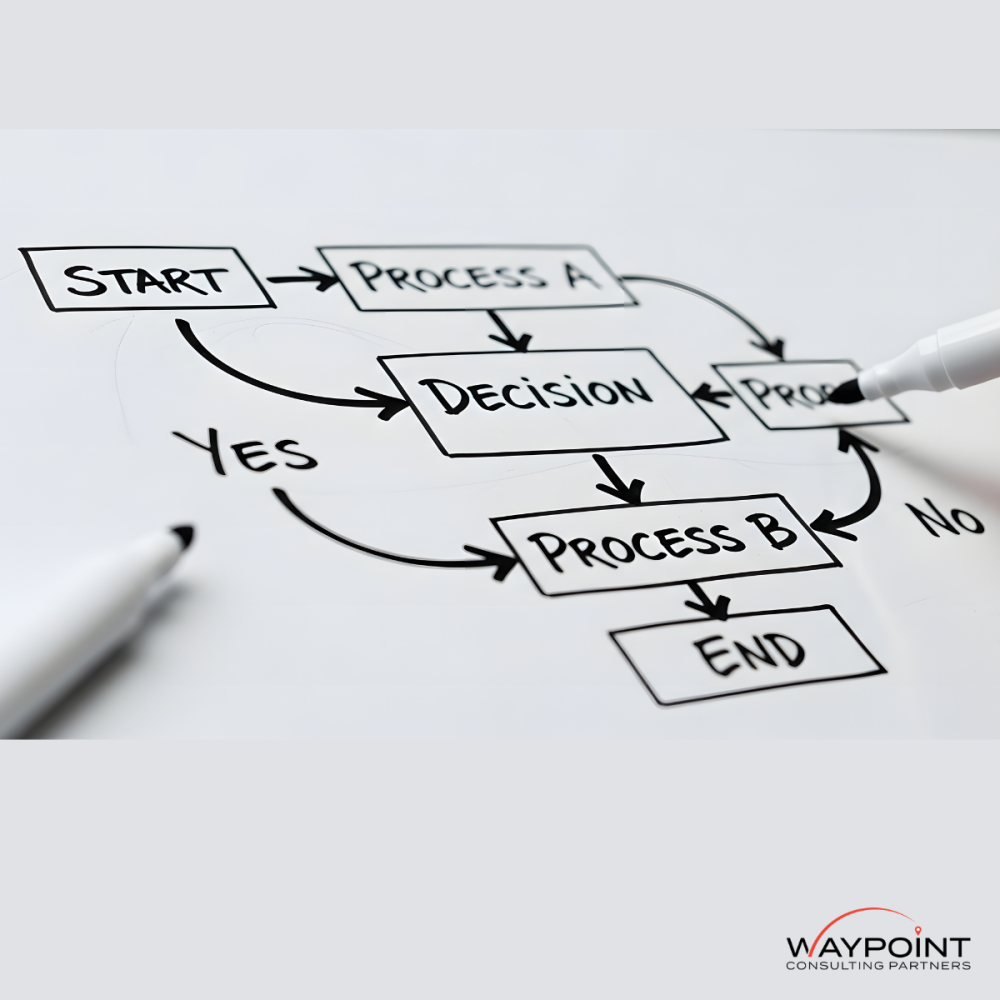
“Holistic” can quickly become vague if there isn’t a clear process behind it. A structured approach may include:
- Discovery
- Analysis
- Integrated recommendations
- Coordinated implementation
- Ongoing review and adjustment
A consistent process can help clients better understand the value they’re receiving while also helping advisors deliver that value more efficiently. Technology can support this work through financial planning tools, data aggregation, scenario analysis, and client reporting. But technology should enhance the advisor’s role—not replace the judgment, perspective, and human connection clients value.
5. Make Sure Your Business Model Evolves, Too
Expanding your services without reconsidering how you communicate and price your value can create problems. Advisors making this transition may need to evaluate whether their current model still aligns with the work they’re doing. That could mean exploring planning fees, retainer models, or hybrid approaches. It also means clearly communicating with existing clients about what is changing, why it matters, and how they may benefit. The goal isn’t to simply add more services. It’s to build a model in which the client experience, planning process, value proposition, and pricing all work together.
Start Intentionally
You don’t have to overhaul your entire practice overnight. You might begin with a specific group of clients, strengthen your expertise in one planning area, or test a more structured planning process before expanding it. The important thing is to be intentional about where the industry is heading—and whether your skills and career are evolving with it. Throughout my years working with financial professionals, my team and I at WayPoint Consulting Partners have seen how changes in client expectations can create both uncertainty and opportunity.
The advisors who continue to grow are often those willing to ask themselves a difficult but important question: Am I building my career around the way financial advice used to be delivered—or the way clients will need it in the future? Because clients don’t simply need better portfolios. They need help making better financial decisions. And for advisors ready to evolve, that may create some of the most meaningful career opportunities ahead.
📌 BLOG CONCLUSION: